Hunter Ceiling Fan Assembly Instructions: A Comprehensive Guide
This guide provides complete instructions for installing and operating your Hunter ceiling fan, ensuring years of comfort and performance. Consult the owner’s manual for specific model details, troubleshooting, and safety precautions.

Hunter ceiling fans represent a legacy of quality, innovation, and comfort within the home environment. For decades, Hunter has been a trusted name, delivering reliable performance and stylish designs. Each fan model – whether Profile, Standard, or designed for angled ceilings – comes with dedicated resources. These include a comprehensive owner’s manual, a detailed parts guide, and a step-by-step installation guide.

Understanding your specific fan model is crucial for a successful installation. The manual offers vital troubleshooting assistance, important cautions, and warnings, and guidance on preparing for installation. It also details wiring procedures, operational instructions, and cleaning recommendations. Hunter prioritizes user experience, offering online tools like a manual and parts finder, accessible by entering your fan’s model number, typically found on the motor housing tag.
Safety Precautions & Warnings
Prioritize safety throughout the installation process. Always disconnect the power source before commencing any electrical work. Ensure the ceiling support is adequate and capable of supporting the fan’s weight – Hunter fans can weigh up to 23 kg (approximately 50 lbs). Verify that the mounting bracket screws are securely fastened; if they turn easily by hand, do not proceed with installation.
Inspect the concrete ceiling for cracks or damage before mounting. The bracket must be tightly secured against the ceiling. Caution should be exercised during angled ceiling mounting, ensuring proper alignment and secure attachment. Never overtighten screws. Always follow all cautions and warnings detailed in the owner’s manual to prevent injury or damage.
Understanding Your Hunter Fan Model
Each Hunter fan model features unique components and installation requirements. Locate the Hunter tag on the top of the motor to identify your specific model number. Utilize the online Hunter fan manual and parts finder, entering your model number to access the correct documentation. This includes the owner’s manual, parts guide, and installation guide.
Familiarize yourself with the fan’s profile – whether it’s designed for standard, angled, or profile mounting. The installation steps will vary accordingly. Understanding the specific parts associated with your model is crucial for a successful assembly. Refer to the parts list to identify each component before beginning the installation process.

Parts List & Identification
Before starting assembly, carefully unpack and identify all components. Your Hunter fan package should include the motor housing, blades, blade holders, a switch housing with components, a downrod, and potentially a receiver and light kit. Locate the trim ring, essential for a finished appearance.
Refer to the parts guide in your owner’s manual for a detailed illustration of each part. Ensure all listed parts are present; if anything is missing, contact Hunter support. Proper identification prevents confusion during installation. Knowing each component’s name and function streamlines the assembly process, ensuring a secure and functional ceiling fan.
Identifying the Motor Housing
The motor housing is the central component of your Hunter ceiling fan, containing the motor and mounting point for other parts. Locate the Hunter tag on the top of the motor housing; this tag displays the model number, crucial for finding specific documentation and replacement parts.
Inspect the housing for any damage sustained during shipping. The housing typically features pre-drilled holes for downrod attachment and wiring access. Familiarize yourself with these features before proceeding. A properly functioning motor housing is vital for the fan’s performance and longevity, so ensure it’s secure and undamaged.
Blade & Blade Holder Recognition
Hunter ceiling fan blades come in various styles and materials; identify the blades included with your model. Each blade requires a blade holder, also known as a blade bracket, for attachment to the motor. These holders are typically pre-drilled with screw holes.
Carefully examine the blade and holder to ensure they match. The blade holder secures to the motor, while the blade attaches to the holder. Proper alignment is crucial for balanced operation and preventing wobbling. Ensure all blade and holder sets are identical for consistent airflow and aesthetic appeal.
Switch Housing & Components
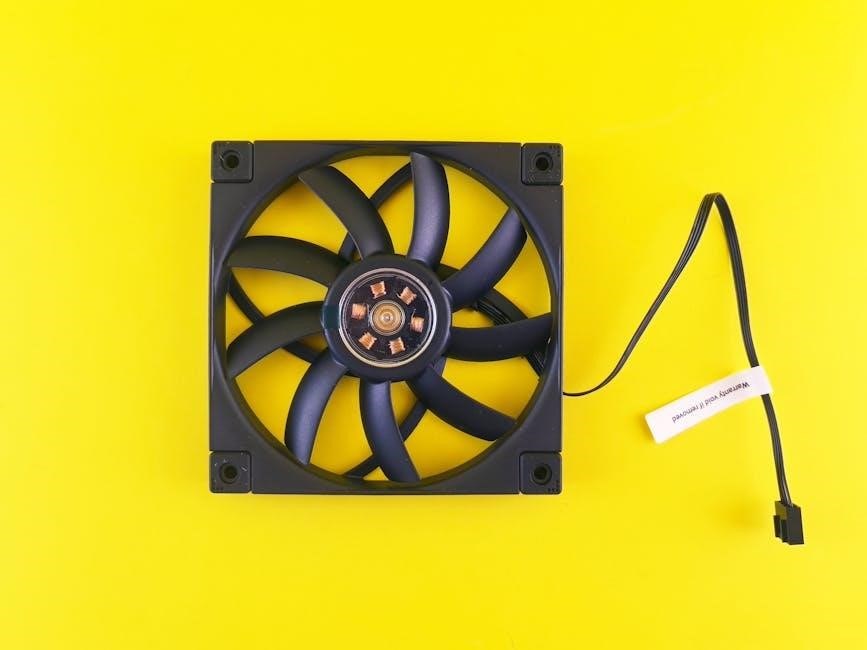
The switch housing contains the controls for your Hunter ceiling fan – speed settings, light operation, and potentially a reverse function. Components within include the pull chains (or electronic controls), switches, and wiring connectors. Identify these parts before beginning assembly.
Carefully inspect the housing for any damage. Understand the function of each pull chain or button. The wiring connectors will attach to the fan’s wiring harness. Proper connection is vital for safe and functional operation. Refer to your model’s wiring diagram for accurate connections, ensuring correct fan control.
Preparing for Installation
Before you begin, gather all necessary tools – screwdrivers, wire strippers, pliers, and a ladder. Crucially, verify your ceiling support can handle the fan’s weight (up to 23 kg!). Ensure the electrical wiring is compatible and meets local codes. Turn off power to the circuit at the breaker box before any electrical work.
Inspect the mounting location for obstructions. Confirm the ceiling is sound and free of cracks, especially with concrete ceilings. Never install if bracket screws turn easily by hand, indicating insufficient support. Consult the manual for specific requirements and warnings related to your fan model.
Tools Required for Assembly
Successful installation demands having the right tools readily available. Essential items include a Phillips head screwdriver for most screw applications, and flathead screwdrivers for specific components. Wire strippers are critical for safely preparing electrical connections. Pliers will assist with wire manipulation and securing connections.
A sturdy ladder is non-negotiable for reaching the ceiling. Electrical tape ensures secure and insulated wiring. A voltage tester confirms power is off before working with wires. Consider a drill with appropriate bits for pilot holes, if needed. Measuring tape helps with downrod length and blade clearance.

Checking Ceiling Support & Electrical Wiring
Prior to installation, verify your ceiling can safely support the fan’s weight – up to 23 kg. Ensure the mounting location is free from cracks or damage in concrete ceilings. Crucially, confirm the electrical box is rated for ceiling fan support; standard boxes are often insufficient. Never proceed if the bracket screws turn easily by hand, indicating inadequate support.
Turn off power to the circuit at the breaker box before any wiring. Use a voltage tester to confirm the power is completely off. Inspect wiring for damage or fraying. Ensure the ground wire is properly connected. Adhere strictly to all electrical codes and safety regulations throughout the process.

Mounting Bracket Installation
Securely attach the mounting bracket to the ceiling’s electrical box, utilizing screws appropriate for the box type. Ensure the bracket is flush and tight against the ceiling – see Figure 2f for guidance. For standard mounting, follow the provided diagrams carefully, observing all cautions. If an angled ceiling requires installation, utilize the appropriate hardware and adjust the bracket accordingly.
Install the shield into the bracket holes, again adhering to all safety warnings. Verify the bracket screws remain firmly in place; they should not loosen with minimal effort. Proper bracket installation is paramount for safe and stable fan operation, preventing potential hazards.
Standard Mounting Procedure
Begin by ensuring the electrical box is securely mounted and rated to support the fan’s weight – up to 23 kg. Position the mounting bracket against the box, aligning the screw holes. Install the bracket using appropriate screws, tightening them firmly but avoiding over-tightening. Confirm the bracket is flush against the ceiling, preventing wobbling during operation.
Carefully follow Figure 6 for visual guidance. Do not proceed if the bracket screws turn easily by hand, indicating an insecure installation. A stable bracket is crucial for safety; address any issues before continuing. Double-check all connections before proceeding to the next assembly step.
Angled Ceiling Mounting (if applicable)
For angled ceilings, a special mounting adapter is often required, sold separately if not included with your model. Ensure the adapter is compatible with your ceiling’s angle. Attach the adapter to the electrical box, following the adapter’s specific instructions – typically involving secure screw connections. Verify the adapter is firmly in place before proceeding.
With the adapter installed, attach the Hunter mounting bracket to it, ensuring proper alignment. Repeat the bracket installation steps as outlined in the standard mounting procedure, confirming a flush and secure fit. Remember to prioritize stability, as angled mounts require extra reinforcement; Refer to the fan’s manual for specific angled mounting guidance.
Assembling the Downrod & Motor
Carefully insert the downrod into the motor housing, aligning the pin grooves for a secure connection. Ensure the wires pass freely through the downrod’s opening, preventing any potential pinching or damage during installation. Tighten the set screws firmly to lock the downrod in place, verifying it’s completely stable.
Next, slide the canopy onto the downrod, concealing the wiring and mounting hardware. Do not fully tighten the canopy yet, as adjustments may be needed during the wiring phase. Double-check the downrod’s connection to the motor, confirming it’s secure before lifting the fan assembly. Proper assembly here is crucial for safe and balanced operation.
Wiring the Ceiling Fan
Before wiring, ensure the power is completely OFF at the breaker. Connect the receiver (if included) following the wiring diagram, matching colors carefully – typically black to black, white to white, and ground to ground. Secure wire connections with wire connectors, ensuring no bare wire is exposed.
Then, connect the fan wires to the corresponding house wires, again matching colors. Verify all connections are tight and secure. Carefully tuck the wires into the switch housing, avoiding any pinching. Double-check the wiring diagram and connections before proceeding to the next step. Incorrect wiring can cause malfunction or safety hazards.
Connecting the Receiver (if included)
If your Hunter fan includes a receiver, it allows for speed and light control via a remote. Begin by carefully matching the receiver’s colored wires to the corresponding house wires – black to black (hot), white to white (neutral), and green or bare copper to ground. Secure these connections using wire connectors, ensuring a tight and safe fit.
Next, connect the receiver’s output wires to the fan’s wires, again matching colors; Ensure all connections are snug and no bare wire is visible. Carefully tuck the receiver and wiring into the mounting bracket or switch housing, avoiding any pinching or strain. Proper receiver connection is crucial for remote functionality.
Wiring the Fan to the Power Source
Before connecting, verify the power is OFF at the breaker box. Identify the house’s electrical wires: black (hot), white (neutral), and green or bare copper (ground). Connect the fan’s black wire to the house’s black wire, white to white, and ground to ground, using wire connectors. Ensure connections are secure and no bare wire is exposed.
Double-check all wiring against your fan’s wiring diagram. If a receiver is installed, the fan wires connect to the receiver’s output wires. Carefully tuck the wires into the electrical box, avoiding pinching. Confirm the mounting bracket is securely attached before restoring power at the breaker.
Attaching the Blades
Begin by attaching the blade holders to the blades using the provided screws. Ensure each screw is tightened securely, but avoid over-tightening to prevent damage. Next, align the blade holders with the motor housing’s mounting slots. Carefully insert each blade assembly into a slot and secure it with the appropriate screws.
Repeat this process for all remaining blades, ensuring they are evenly spaced and firmly attached. Double-check that all screws are tightened and the blades are balanced. Improperly attached blades can cause wobbling and noise during operation, so precision is key.
Installing the Switch Housing
Carefully raise the switch housing to the mounting plate, aligning the wiring connectors. Gently push the housing into place, ensuring it sits flush against the ceiling. Secure the housing with the provided screws, tightening them until snug but not over-tightened. Connect the wiring harness from the fan to the corresponding wires in the switch housing, matching colors carefully.
Confirm all connections are secure and properly insulated. Tuck any excess wiring neatly into the housing to prevent interference. Finally, install the switch housing cover plate, securing it with the remaining screws. Verify the housing is firmly attached and all wiring is concealed before proceeding.
Installing the Light Kit (if applicable)
Begin by carefully removing the cover plate from the switch housing, exposing the wiring connections. Connect the light kit wiring harness to the corresponding wires from the fan, ensuring proper color matching. Gently raise the light kit into position, aligning it with the mounting points on the fan body.
Secure the light kit using the provided screws, tightening them until snug. Install the appropriate light bulbs, observing the maximum wattage specified on the fixture. Attach the light kit cover or globe, securing it with the designated hardware. Finally, test the light kit functionality to confirm proper operation.
Final Assembly & Testing
Double-check all wiring connections within the switch housing and receiver (if present), ensuring they are secure and properly insulated. Verify that all screws are tightened, including those securing the blades, blade holders, and light kit. Restore power to the ceiling fan circuit at the breaker box.
Test the fan’s operation using the pull chains or remote control, confirming that the fan spins smoothly and the light kit functions correctly. Observe for any unusual noises or vibrations. If issues arise, immediately disconnect power and revisit the installation steps, consulting the owner’s manual for troubleshooting guidance.
Troubleshooting Common Issues
If the fan doesn’t operate, first verify the circuit breaker hasn’t tripped. Check all wiring connections, ensuring they are secure. For wobbling, confirm blades are properly attached and balanced; use a balancing kit if needed. If the light kit fails, test the bulbs and wiring connections.
If the remote isn’t working, replace the batteries and re-synchronize it with the receiver. Consult the owner’s manual for specific troubleshooting steps related to your model. Remember, if bracket screws turn easily, do not hang the fan – ceiling support is inadequate. Utilize Hunter’s online manual and parts finder for assistance.
Fan Operation & Control Settings
Hunter fans typically offer multiple speed settings, controlled via a pull chain, remote, or wall control. Understand your model’s specific controls – some include a reverse function for seasonal airflow adjustments. In summer, use a counter-clockwise rotation for a cooling breeze. During winter, switch to clockwise at a lower speed to circulate warm air.
Remote controls often feature speed adjustment, light dimming, and timer functions. Ensure the receiver (if included) is properly wired for remote operation. Use only Hunter-approved speed controls to avoid damaging the motor. Refer to your owner’s manual for detailed instructions on utilizing all available features.
Cleaning & Maintenance
Regular cleaning ensures optimal performance and extends the life of your Hunter ceiling fan. Periodically dust the blades with a soft cloth – avoid using liquids that could damage the finish; For stubborn dirt, a slightly damp cloth may be used, followed by thorough drying. Inspect the mounting bracket and downrod for tightness annually, but never loosen the bracket screws if they turn easily by hand.
Light kits should be cleaned carefully, ensuring the power is off. Avoid abrasive cleaners or solvents. Consult the owner’s manual for specific cleaning recommendations for your model. Proper maintenance guarantees years of reliable operation.
Hunter Fan Parts & Support Resources
Hunter provides extensive support for your ceiling fan needs. Utilize the online manual and parts finder by entering your fan’s model number, typically found on the motor housing tag. This tool identifies compatible replacement parts, though availability may vary. For troubleshooting, consult your owner’s manual first, addressing cautions and warnings carefully.
If further assistance is needed, Hunter’s customer service team is available to help. Remember to have your model number ready when contacting support. Genuine Hunter speed controls are recommended for optimal performance and safety. Explore Hunter’s website for FAQs and additional resources.